
View our team's agronomist ideas, thoughts, concerns & general info.
From corn and soybeans to alfalfa, pastures, and cover crops, our agronomists are in the field all season long. Below are the scouting reports and crop alerts we share to help you stay ahead of pests, disease, and changing conditions across Plymouth and Woodbury counties.
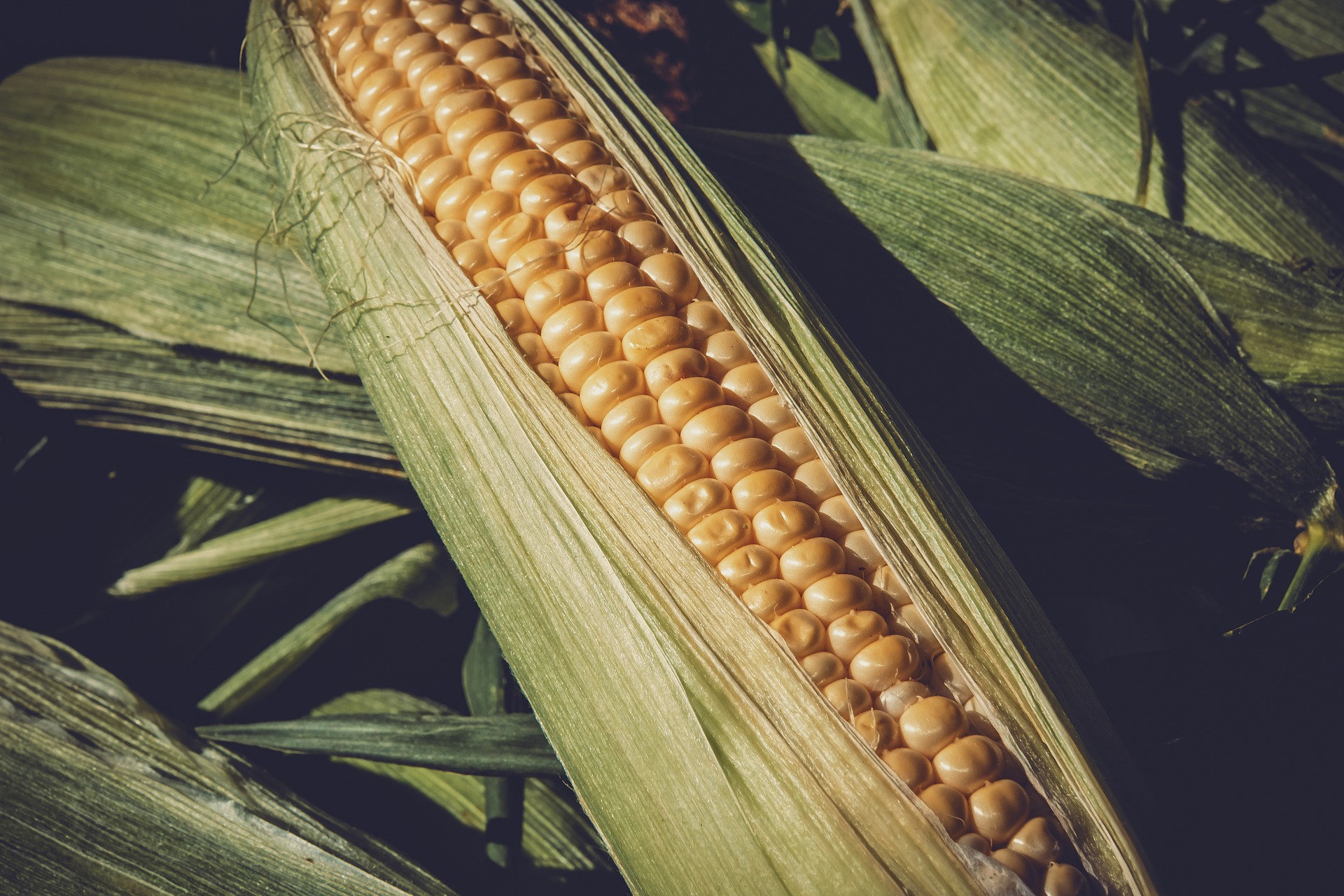
Southern rust is a fast-moving corn fungal disease that can rob yield late in the season. Watch for orange-to-tan pustules on the upper leaf surface and scout fields now — a timely fungicide may pay off if pressure is building.
Continue reading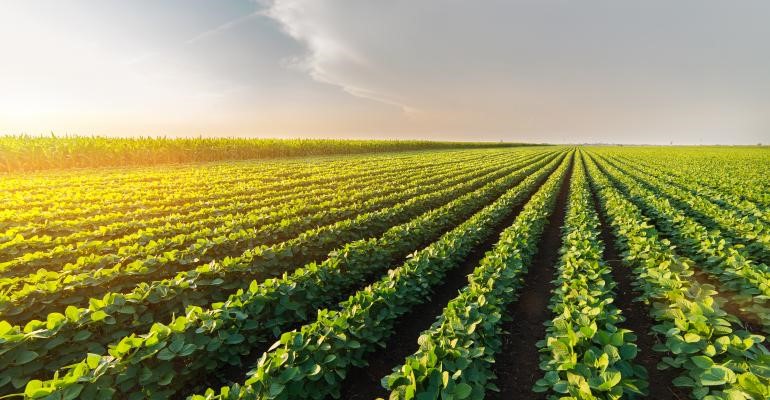
Soybean aphids can build quickly in warm, dry stretches. The treatment threshold is roughly 250 aphids per plant with populations still increasing, and scouting stays important through the R6 stage. Call us if you want a field checked.
Continue reading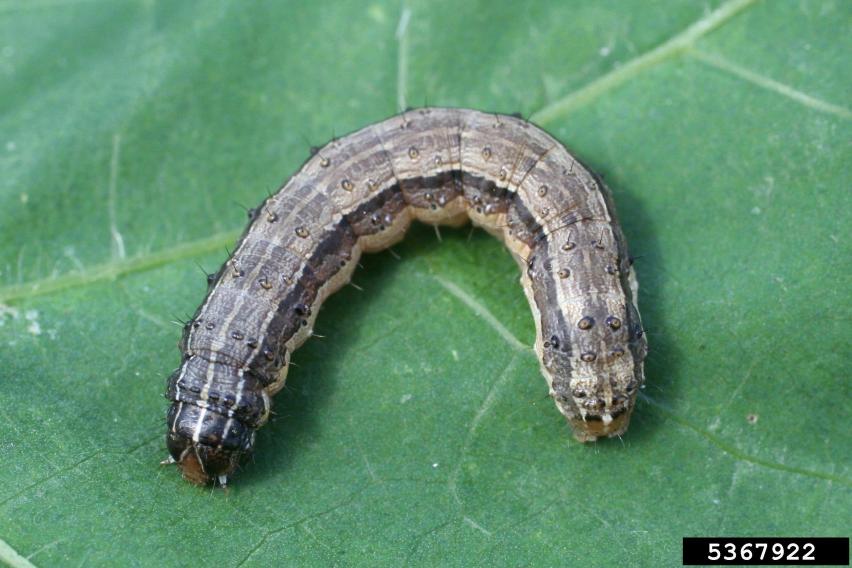
Armyworms can move through pastures and alfalfa almost overnight, leaving ragged, stripped foliage behind. If you see chewing damage or marching larvae, act fast — call Tony or Gary and we'll help you decide on treatment.
Continue reading
Potato leafhoppers cause the yellow, V-shaped "hopperburn" you see at leaf tips in alfalfa. Damage shows up before the insects are obvious, so scout new regrowth after each cutting and watch stands closely during hot, dry weather.
Continue reading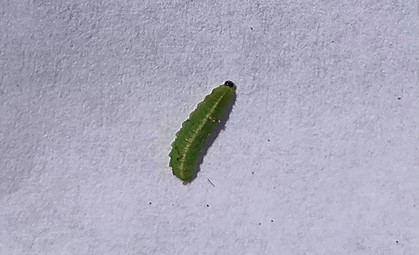
Alfalfa weevil larvae feed on new growth, producing a frosted, skeletonized look across the field. Begin scouting first-crop alfalfa early and decide between an early cutting or a targeted insecticide based on larval counts and stand height.
Continue reading
Bean leaf beetles chew round holes in soybean leaves and can feed on pods later in the year, opening the door to quality loss. Keep an eye on early-emerging and late-maturing fields, which tend to draw the heaviest pressure.
Continue reading